Compact gear checklist for overnight solo car camping in temperate spring/fall climates
This guide features practical Amazon product ideas related to Compact gear checklist for overnight solo car camping in temperate spring/fall climates. Prices and ratings are not shown because they may change over time. Please check the latest product details directly on Amazon before purchasing.
1. First-Time Car Camping Setup & Trip Planning Workbook: A Practical Checklist System for Gear, Campsite Setup, Meals, Routines and Post-Trip Improvements

Overview
First-Time Car Camping Setup & Trip Planning Workbook is a practical, hands-on planner designed for people preparing for their first car camping trip. It organizes gear checklists, campsite setup steps, meal planning prompts, daily routines, and post-trip review exercises into a single workbook that may help streamline trip preparation and learning.
Key Benefits
– Clear checklist system for gear and packing that is designed for customization to different vehicles and trip lengths.
– Step-by-step campsite setup guidance and layout prompts that may help you visualize efficient tent, kitchen, and gear placement.
– Meal planning and shopping templates to simplify food prep and reduce last-minute decisions while on the road.
– Post-trip improvement pages to capture lessons learned and adjust future plans based on real experiences.
Use Cases
– A couple preparing for their first weekend car camping trip who want a practical checklist to avoid forgetting essential items.
– A parent organizing a family outing who needs meal and routine templates to keep mornings and nights smooth at the campsite.
– A solo camper using the post-trip review to refine gear choices and campsite setup for future trips.
Pros
– Practical, task-oriented approach that focuses on preparation and repeatable routines.
– Combines pre-trip planning, on-site setup prompts, and post-trip reflection in one place.
– Designed to be adaptable to different vehicles, campsite types, and group sizes.
Considerations
– This workbook focuses on planning and organization rather than technical gear specifications or outdoor skills instruction.
– Users who prefer fully digital planning tools may need to transfer notes from the workbook into an app for syncing or sharing.
Who It's For
Suitable for first-time car campers, occasional weekend adventurers, and anyone who values structured planning to reduce trip-day stress. This workbook may help people who learn best by writing things down and iterating after each trip.
Final Thoughts
A straightforward, practical planning tool that emphasizes preparation, campsite routines, and continual improvement. It’s designed to help make early car camping experiences more organized and more enjoyable.
2. Camping Checklist: A Simple Organizer for Camping Gear, Packing Lists, and Trip Preparation

Overview
Camping Checklist: A Simple Organizer for Camping Gear, Packing Lists, and Trip Preparation is a practical planning aid designed for people who want a focused way to organize camping trips. It provides a straightforward framework for listing gear, packing items, and pre-trip tasks, and is suitable for a range of camping styles from car camping to short backcountry outings.
Key Benefits
– Provides a clear structure to catalog gear and supplies, which may help reduce last-minute packing oversights.
– Encourages step-by-step trip preparation, including task lists and reminders that are designed for easy customization.
– Helps prioritize essentials and optional items, making it simpler to adapt plans for different group sizes or trip lengths.
– Can serve as a reusable reference for recurring trips, helping users refine their packing over time.
Use Cases
– Weekend car camping with friends or family: use the checklist to coordinate cooking gear, sleeping arrangements, and communal items so everyone knows what to bring.
– Planning a multi-day hike: create a focused packing list to compare gear options and decide what to carry or leave in the car.
– Organizing a first camping trip: beginners can follow the checklist to break down preparation into manageable steps and reduce planning stress.
Pros
– Straightforward, no-frills approach that keeps planning focused and practical.
– Flexible format that may be adapted to different trip types and personal preferences.
– Useful as a baseline template to build more detailed, trip-specific lists over time.
Considerations
– The checklist provides general organization rather than detailed technical gear recommendations; users may need to tailor it for specialized activities or extreme conditions.
– If you prefer digital planners or app-based reminders, consider whether a checklist-style organizer fits your workflow.
Who It's For
This organizer is suitable for casual campers, families, and anyone who wants a simple, adaptable way to prepare for outdoor trips without being overwhelmed by excessive detail.
Final Thoughts
Camping Checklist is a practical tool for turning packing and preparation into repeatable steps that may help streamline trips. It’s a good starting point for campers who appreciate clarity and customization in their planning process.
3. Traveling and Car Camping: Equipment Choices, Checklists, and Organizing Ideas for Your Tent Camping Trips: A system for putting together a great road trip

Overview
Traveling and Car Camping is a practical guide that walks through equipment choices, checklists, and organizing ideas for tent-based road trips. It presents a system for assembling gear and planning logistics so you can approach car camping with more structure and less guesswork. The book focuses on adaptable strategies rather than prescriptive rules, leaving room for personal preferences and trip variability.
Key Benefits
– Clear checklists designed for pre-trip packing, vehicle organization, and campsite setup that may help reduce forgotten items and last-minute scrambling.
– Guidance on selecting and arranging equipment suitable for different trip lengths and group sizes, from solo overnighters to family weekends.
– Practical organizing ideas and storage techniques that may help maximize space in a car and speed up campsite setup and breakdown.
– A planning framework that is intended to help you prioritize essentials, assess trade-offs, and customize lists based on season and destination.
Use Cases
– Planning a multi-night road trip with tent camping stops: use the book’s checklists and packing system to organize gear between multiple locations.
– Preparing for a weekend family car-camping trip: apply the organizing ideas to distribute shared items, manage food storage, and streamline camp chores.
– Transitioning from backpacking to car camping: follow the equipment-selection guidance to decide which items to upgrade, keep, or leave in the car.
Pros
– Practical, checklist-driven approach that may help simplify trip prep.
– Emphasis on organization and vehicle packing strategies for tent campers of varying experience levels.
– Flexible recommendations designed to be adapted to different climates, group sizes, and travel styles.
Considerations
– Recommendations are general and may require adaptation to specific vehicles, tent models, or personal comfort preferences.
– The book focuses on planning and organization rather than product reviews or technical specifications, so readers looking for in-depth gear comparisons may need supplemental sources.
Who It's For
This guide is suitable for new and intermediate car campers who want a structured way to plan tent-based road trips and improve their packing and campsite routines. It may also appeal to experienced campers seeking a fresh organizational system.
Final Thoughts
Traveling and Car Camping offers a straightforward, checklist-oriented approach to preparing for tent camping road trips and may help reduce planning stress. Its flexible framework is useful for customizing gear and routines to match your trip and travel style.
4. Camping Checklist: Camping List Checklist Pack List supplies book to check all gears for hiking trekking backpacking trips planner or outdoor … diary journal of the trips (Travel elements)

Overview
Camping Checklist is a portable checklist and trip-journal book designed for hikers, backpackers, and outdoor enthusiasts who want a simple way to plan gear and record trip details. It combines packing lists with space for notes so you can prepare for outings and keep a running diary of experiences.
Key Benefits
– Structured packing lists that may help you remember essential gear for hiking, trekking, or car camping.
– Dedicated sections for trip notes and reminders, suitable for logging conditions, routes, and personal observations.
– Streamlines trip preparation by organizing items and thoughts in one place, which may reduce last-minute scrambling.
– Designed for repeat use across different types of outings—from day hikes to multi-day trips—by adapting lists to your needs.
Use Cases
– Weekend backpacking trip: create a tailored pack list, check items as you pack, and jot down trail highlights and time estimates.
– Family car-camping weekend: use the checklist to coordinate gear, food, and shared responsibilities so nothing is overlooked.
– Day hikes and scouting outings: quickly assemble a daypack list and note route changes or wildlife observations for future reference.
Pros
– Focused layout that keeps packing lists and trip notes together for easy reference.
– Flexible format that can be adapted to different trip lengths and group sizes.
– Helpful for developing a personal pre-trip routine and building a go-to checklist over time.
Considerations
– If you prefer a highly structured planner with weather charts or gear inventories by brand/model, this book may be more basic than specialized trip planners.
– Paper size, binding style, and page count vary by edition—check those details against your packing habits if you need a specific format.
Who It's For
Suitable for casual and experienced outdoor enthusiasts who prefer a simple, written checklist and a place to record trip memories without complex planning tools. It’s a practical companion for anyone who wants to be more organized before heading outdoors.
Final Thoughts
This checklist-and-journal format is a straightforward tool for organizing gear and capturing trip notes. It may help streamline packing and preserve memories from your hikes and camping adventures.
5. Emergency Blanket Mylar Thermal Space Survival Gear & Supplies 4-Pack Foil
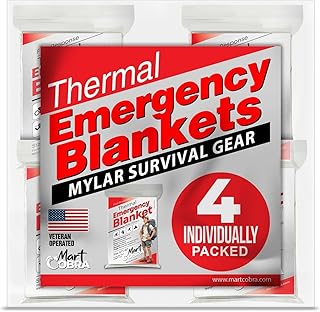
Overview:
This 4-pack of Mylar emergency blankets is a set of reflective foil sheets designed for use in survival, outdoor, and emergency-preparedness situations. The reflective surface may help retain radiant heat and is suitable for stashing in backpacks, glove compartments, or first-aid kits for quick access.
Key Benefits:
– Reflective surface may help retain body heat by reflecting radiant energy back toward the user.
– Lightweight and packable design, making it suitable for stowing in small spaces like backpacks, car kits, or emergency pouches.
– Multi-purpose: can be used as a groundsheet, wind barrier, signaling aid, or temporary shelter component.
– Durable enough for repeated handling in ordinary outdoor and emergency scenarios when used as intended.
Use Cases:
– Backcountry day hikes: carry as a compact backup to supplement layers or shelter options if conditions change.
– Roadside emergencies: keep in a vehicle kit for unexpected breakdowns or long waits where extra protection from wind or wet surfaces is useful.
– Disaster preparedness: include in household or office emergency kits for quick access during weather or power outages.
Pros:
– Comes in a practical 4-pack for sharing across kits or replacing used pieces.
– Designed for portability and easy storage without taking up much space.
– Versatile applications across outdoor recreation, travel, and emergency preparedness.
Considerations:
– Not a replacement for structured shelters or insulated sleep systems; performance may vary with conditions.
– Foil material can crease or tear if handled roughly; folding and storage technique can affect longevity.
Who It's For:
Suitable for hikers, campers, drivers, and anyone building an emergency or travel kit who wants a lightweight, multi-use reflective blanket as a backup option.
Final Thoughts:
This Mylar emergency blanket 4-pack offers a compact, multi-purpose item to supplement preparedness and outdoor gear. Kept accessible, it may serve as a simple, versatile tool in a range of everyday and unexpected situations.
6. Emergency Sleeping Bag Mylar Bivy Sack Thermal Heat Survival Gear &Supplies | Shelter Cold Weather Power Outage Hiking Backpacking Bug Out Snow Winter Storm First Aid Reusable Bivvy Reflective Camping

Overview
A compact emergency sleeping bag (bivy sack) made with a reflective Mylar surface, designed for short-term shelter in outdoor or emergency situations. It packs down small for storage and is intended to be reusable for multiple outings or kit rotations.
Key Benefits
– Reflective surface designed to help reflect radiant heat and reduce heat loss in open-air conditions.
– Ultralow bulk ideal for packing into backpacks, gloveboxes, or emergency kits.
– Simple, single-piece design suitable for quick deployment when shelter is needed.
– Reusable construction intended for repeated use rather than single-use disposal.
Use Cases
– Tucked into a daypack for unexpected overnight stops while hiking or backpacking.
– Kept in a home emergency kit for short-term shelter during power outages or sudden storms.
– Included in a vehicle or bug-out kit for temporary shelter after getting stranded in cold or wet weather.
Pros
– Extremely compact and easy to carry for backcountry or urban preparedness.
– Quick to set up—no poles or complex assembly required.
– Versatile: can be used as a bivvy sack, emergency blanket, or inside a regular sleeping bag for added reflective coverage.
Considerations
– The thin, reflective material can be noisy and may feel crinkly against the skin for some users.
– Provides temporary shelter and is not a replacement for a full sleeping system or insulated shelter in prolonged extreme conditions.
Who It's For
Suitable for hikers, campers, commuters, and anyone building an emergency kit who needs a low-weight, packable option for short-term shelter. It’s a practical add-on for preparedness-minded individuals.
Final Thoughts
This Mylar bivy sack is a low-cost, compact shelter option designed for emergency and outdoor use. It’s best used as part of a layered kit where lightweight portability and quick deployment are priorities.
7. Survival Kit, Camping Tools for Hiking, Fishing & Emergencies

1. Overview
This is a compact survival kit of camping tools designed for hiking, fishing and emergency situations. Packaged as an all-in-one set, it aims to keep commonly useful tools and supplies organized and accessible for short trips or as a backup resource.
2. Key Benefits
– Portable organization: the kit is arranged to keep small tools and supplies together for easy carrying and quick access.
– Versatile utility: includes a selection of tools and accessories suitable for a range of outdoor tasks and simple repairs.
– Ready for short outings: designed for day hikes, fishing trips, or as an emergency supplement to your existing gear.
– User-friendly: components are intended to be straightforward to use for both beginners and experienced outdoorspeople.
3. Use Cases
– Day hike: stash the kit in a pack pocket to handle minor gear fixes, basic campsite tasks, or quick adjustments on the trail.
– Fishing trip: keep it in your tackle bag for on-the-spot line or tackle tweaks and small equipment needs.
– Vehicle or home backup: store it as an easy-access emergency supplement for unexpected situations or short disruptions.
4. Pros
– Compact, organized format makes it easy to carry and locate items when needed.
– Designed for multi-activity use, so it can serve hikers, anglers, and general outdoor enthusiasts.
– Simple layout and contents make it approachable for users who want a ready-to-go solution without building a kit from scratch.
5. Considerations
– The kit is aimed at short-term support and basic tasks; it may not replace specialized or professional-grade equipment for extended outdoor expeditions.
– Contents can vary by supplier or batch, so it’s a good idea to check the kit before heading out to confirm everything you expect is included.
6. Who It's For
Suitable for casual campers, day hikers, anglers, and anyone looking for a compact set of tools to supplement their outdoor or emergency gear. It’s a practical choice for those who want a ready-made kit without assembling one piece by piece.
7. Final Thoughts
A convenient, portable option for adding an extra layer of preparedness to short trips and everyday outings. The kit may help streamline common outdoor tasks and provide a handy backup when you need quick access to basic tools.
8. Deecam Emergency Sleeping Bags, Survival Mylar Thermal Bivy Sack Shell Gear

Overview
The Deecam Emergency Sleeping Bags is a lightweight bivy-style shell designed for emergency and outdoor use. Its reflective thermal surface and simple envelope shape make it suitable for stashing in a pack or vehicle for unexpected overnight situations.
Key Benefits
– Compact and lightweight design that is easy to fold into an emergency kit, backpack, or glove compartment.
– Reflective thermal surface may help retain body heat by reflecting radiant warmth back toward the user.
– Bivy-style shell helps shield a sleeping bag or occupant from wind, light moisture, and debris when used outdoors.
– Simple, single-person form factor that is quick to deploy when a protected sleeping area is needed.
Use Cases
– Stashed in a car or roadside kit for unexpected overnight waits or emergency stops.
– Added to a daypack or backpack for backcountry day trips, hikes, and sudden weather changes.
– Included in group camping or festival gear as a temporary shelter layer or ground cover.
Pros
– Packs down small for convenient storage in a variety of emergency or outdoor kits.
– Reflective surface may enhance warmth retention compared with unlined fabric alone.
– Straightforward design that’s easy to use even in low-light or stressful situations.
Considerations
– The thin, foil-like material can be prone to punctures or tearing if caught on sharp objects; handle and store carefully.
– Intended as an emergency or backup shelter; it is not a full replacement for a purpose-built insulated sleeping bag on extended cold-weather trips.
Who It's For
Suitable for hikers, campers, drivers, and anyone who wants a lightweight, emergency-ready shelter layer to carry in a pack or vehicle. It’s a practical addition for people who prioritize compact, easy-to-deploy gear.
Final Thoughts
This Deecam bivy-style emergency sleeping bag offers a compact, reflective shell designed to serve as a temporary layer of protection in unexpected situations. It’s a versatile, packable option to consider adding to emergency and outdoor kits.
9. Camping Checklist: An Easy-to-Use Packing Guide for Tent, RV, and Cabin Trips
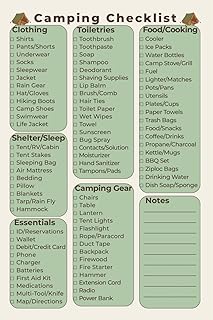
Overview
Camping Checklist: An Easy-to-Use Packing Guide for Tent, RV, and Cabin Trips is a concise packing resource designed for campers who want a straightforward way to plan and pack. It presents organized checklists and planning prompts that may help you prepare for a variety of overnight outdoor stays without sifting through long, technical guides.
Key Benefits
– Clear, categorized checklists that may help you quickly see what to pack for tent, RV, or cabin trips.
– Practical pre-trip prompts for planning meals, clothing layers, and essential documents, designed for repeat use.
– Flexible format suitable for adapting to group sizes, seasons, and trip lengths.
– A simple layout that may help reduce last-minute forgetfulness and streamline the packing process.
Use Cases
– A family preparing for a weekend tent camping trip who want an easy checklist to divide responsibilities and track gear.
– An individual planning an RV getaway who needs to confirm vehicle supplies, kitchen items, and overnight essentials.
– Friends renting a remote cabin who want to coordinate shared cookware, bedding, and entertainment without duplicating items.
Pros
– Straightforward and easy to follow, making it accessible for beginners and experienced campers alike.
– Covers multiple trip types (tent, RV, cabin) so the same guide can be reused for different outings.
– Encourages planning beyond gear lists, including meals and logistics, which may help trips run more smoothly.
Considerations
– The guide focuses on packing and planning rather than providing in-depth gear reviews or technical how-to instructions.
– You may need to personalize lists for specialized activities (e.g., climbing, cold-weather expeditions) or specific equipment needs.
Who It's For
Suitable for casual campers, families, and weekend travelers who prefer a simple, reusable packing framework rather than exhaustive gear manuals. It’s also a handy starting point for trip organizers who need to delegate packing tasks.
Final Thoughts
This checklist-style guide is designed to simplify pre-trip preparation and may help you leave home feeling more organized. Use it as a baseline and customize it to match your trip’s unique needs.
10. RV Camping Checklists for Beginners: Gear, Setup, Maintenance, Safety, and First-Trip Planning for Your Home on Wheels (The Adventure-Ready RV Series)

Overview:
RV Camping Checklists for Beginners is a practical collection of themed checklists and planning prompts designed to simplify preparation and on-the-road routines for new RV owners. It focuses on essential areas like gear, campsite setup, routine maintenance, safety reminders, and first-trip planning in a straightforward, easy-to-follow format.
Key Benefits:
– Organized checklists for gear, setup, maintenance, and safety that may help reduce last-minute forgetting and streamline trip preparation.
– Planning prompts and pre-trip lists designed for first-time RVers to create a repeatable routine for departures and arrivals.
– Maintenance and troubleshooting reminders suitable for keeping common tasks visible and scheduled without needing to memorize every step.
– Flexible content that may be adapted to different RV types and travel styles, making it easier to personalize for your vehicle and itinerary.
Use Cases:
– Preparing for a first weekend away: work through a step-by-step departure checklist to confirm essential gear, utilities, and campground reservations.
– Returning from a trip or preparing for storage: follow maintenance prompts to note fluid checks, tire inspections, and simple upkeep tasks that may help extend equipment longevity.
– Coordinating with travel companions: share or use checklists as a common reference so responsibilities like leveling, hookups, and campsite safety reminders are clear.
Pros:
– Clear, focused lists that emphasize practical tasks and planning steps relevant to beginner RVers.
– Covers a useful range of topics—from packing and campsite setup to routine maintenance and pre-trip planning—so users have a single reference.
– Easy to adapt and personalize, allowing owners to add vehicle-specific items or preferences to the core checklists.
Considerations:
– Content is written with beginners in mind; experienced RV owners may find some items basic and may want to supplement it with advanced resources.
– Checklists are intended as planning aids and reminders and should be used alongside manufacturer manuals and professional advice when addressing technical or mechanical issues.
Who It's For:
Designed for people who are new to RV ownership, occasional campers, or anyone planning their first few trips who wants a structured way to prepare and stay organized. It’s suitable for travelers who prefer checklist-driven planning and want a consistent pre-trip routine.
Final Thoughts:
This checklist collection aims to make the logistics of RV travel more manageable by offering focused, adaptable lists and planning prompts. It may help reduce pre-trip stress and create a dependable habit for packing, setup, and routine care.
Final Thoughts
Use this guide as a starting point, then compare the latest product details, availability, and customer feedback directly on Amazon before making your final choice.