Container gardening shopping list for apartment balconies to grow herbs and salad greens
This guide features practical Amazon product ideas related to Container gardening shopping list for apartment balconies to grow herbs and salad greens. Prices and ratings are not shown because they may change over time. Please check the latest product details directly on Amazon before purchasing.
1. Vertical Garden Planter 4 Tier Stackable System 16 Plants, Space Saving Herb, Strawberry & Food Crop Planter with Center Support Hole for Indoor Outdoor Gardening (4, Midnight Black, Small)

Overview:
This 4-tier vertical garden planter is a stackable system designed to hold up to 16 plants in a compact footprint. Finished in midnight black and described as a small size, it is suitable for both indoor and outdoor gardening and includes a center support hole for added planting or support options.
Key Benefits:
– Space-saving layout: the vertical, four-tier arrangement may help maximize growing space where horizontal area is limited.
– Flexible planting options: designed to accommodate multiple small plants—herbs, strawberries, salad greens, or decorative annuals—across separate tiers.
– Indoor/outdoor versatility: suitable for balconies, patios, windowsills, or kitchen corners where a compact planter is useful.
– Center support hole: may be used to add a stake, breathable core planting, or to route a slim irrigation tube, depending on your setup.
Use Cases:
– Apartment herb garden: place near a sunny window to keep several culinary herbs organized and accessible in a single, compact unit.
– Small outdoor balcony or patio: fit more edibles or ornamentals into limited outdoor space without crowding the floor area.
– Seasonal planting rotation: dedicate tiers to different crops (e.g., one tier for strawberries, another for greens) to simplify harvesting and care.
Pros:
– Maximizes vertical growing area for small-space gardening.
– Stackable design makes it easy to expand or relocate as needed.
– Neutral midnight black finish blends with many indoor and outdoor décors.
Considerations:
– Labeled as small; larger plants or deep-rooted varieties may not be well suited to the individual pockets or tiers.
– As with any stacked planter, water distribution and watering frequency may need monitoring to ensure all tiers receive adequate moisture.
Who It's For:
This system is suitable for gardeners with limited floor space—city dwellers, balcony gardeners, or anyone wanting a compact, organized way to grow multiple small plants. It may also appeal to people who like modular, stackable gardening solutions.
Final Thoughts:
A multi-tier stackable option for those looking to increase planting capacity without taking up much horizontal space. Consider the plant types you want to grow and watering needs to determine if this small, four-tier setup matches your gardening goals.
2. Raised Bed & Container Gardening Made Easy: The Complete Guide to Growing Fresh Vegetables from Seed to Harvest

Overview
Raised Bed & Container Gardening Made Easy is a practical guide that walks readers through growing vegetables in raised beds and containers, from initial seed selection to harvest. The book is written to simplify small-space gardening and to provide actionable ideas for planning, planting, and maintaining productive containers and beds.
Key Benefits
– Offers step-by-step guidance that may help you plan and manage raised beds and container plots, including seed starting and transplanting.
– Explains soil, watering, and basic maintenance strategies designed for small spaces and variable growing conditions.
– Provides troubleshooting tips and practical suggestions suitable for adapting plant choices and care to limited areas.
– Helps simplify seasonal planning and crop rotation concepts so you can make the most of compact growing areas.
Use Cases
– A city apartment dweller uses balcony containers and window boxes to grow salad greens and herbs with minimal space and equipment.
– A beginner gardener converts a small backyard corner into raised beds and follows the guide to choose crops and manage watering schedules.
– A community garden coordinator adapts container ideas to create accessible plots for workshops and seasonal demonstrations.
Pros
– Clear, practical focus on small-space vegetable production.
– Emphasizes approachable, hands-on techniques for seed-to-harvest gardening.
– Helpful for planning and problem-solving common container and raised-bed challenges.
Considerations
– Content may be more introductory; experienced gardeners seeking in-depth, technical analyses might find some sections basic.
– Recommendations may need adaptation for specific climates or microclimates, so local trial and observation remain important.
Who It's For
This guide is suited for beginners and casual gardeners who want to grow vegetables without large garden plots, and for anyone looking to optimize productivity in containers or raised beds.
Final Thoughts
A concise, user-friendly resource for developing productive small-space vegetable projects, the book provides practical direction that may help gardeners get started and stay organized from seed to harvest.
3. VECELO 5 Tier Vertical Garden Planter, Self Watering Stackable Planters with Wheels for Strawberries, Herbs, Flowers, Vegetables, White

Overview
The VECELO five-tier vertical garden planter is a stackable, self-watering planting system on wheels designed for growing strawberries, herbs, flowers, and small vegetables in compact spaces. Its vertical layout and mobile base aim to make container gardening more accessible for balconies, patios, and other small outdoor or indoor areas.
Key Benefits
– Space-saving vertical design: stacks multiple planting tiers to maximize growing area while occupying a small footprint, suitable for small yards, balconies, or patios.
– Self-watering system: includes a water reservoir intended to help maintain consistent moisture levels and may help reduce the frequency of hand-watering.
– Modular and stackable: tiers can be arranged to fit the available space or expanded to increase planting capacity as needed.
– Mobility for flexible placement: mounted on wheels to allow easy relocation for light exposure, cleaning, or rearranging outdoor living spaces.
Use Cases
– Urban balcony herb garden: grow a selection of fresh herbs in a compact, vertical layout where horizontal space is limited.
– Patio or porch strawberry patch: create a portable display of flowering plants or small fruiting varieties that can be moved for sun or shelter.
– Seasonal container planting: rotate flowers or vegetables by season, then wheel the planter into protected areas during inclement weather.
Pros
– Maximizes planting area without a large footprint.
– Built-in watering reservoir designed to simplify moisture management.
– Wheeled base allows easy repositioning and cleaning access.
Considerations
– Individual planting pockets or tiers are relatively compact, so it may be better suited to smaller plants rather than large, deep-rooted varieties.
– The white finish can show dirt or stains more readily and may require occasional cleaning to maintain appearance.
Who It's For
This planter is suitable for gardeners with limited horizontal space—urban residents, balcony gardeners, or anyone who wants a flexible, mobile solution for growing herbs, flowers, or small vegetables. It may also appeal to novices looking for a lower-maintenance container system.
Final Thoughts
The VECELO five-tier vertical planter is designed to offer an efficient, movable option for compact gardening with a self-watering feature that may help simplify care. Consider plant size and maintenance needs when choosing this setup for your space.
4. OYEAL Raised Garden Bed with Legs & & Trellis 32" Tall Vertical Herb Garden Planter Indoor Outdoor Elevated Flower Beds for Gardening, Vegetables, Herbs, Patio, Balcony, Backyard, Green

Overview:
The OYEAL Raised Garden Bed with Legs & Trellis is a 32" tall vertical planter designed for indoor and outdoor use. It combines an elevated planting area with an integrated trellis to support vining plants while keeping beds off the ground for easier access.
Key Benefits:
– Elevated design may help reduce bending and make planting, pruning, and harvesting more comfortable.
– Integrated trellis is suitable for climbing herbs and small vegetables, helping maximize vertical growing space.
– Compact, vertical footprint may be ideal for patios, balconies, and small yards where ground space is limited.
– Defines a contained planting area that may help with soil management and organization of plantings.
Use Cases:
– Create a dedicated herb station on a sunny balcony for quick access to fresh herbs while cooking.
– Grow vining vegetables or flowers on a patio without sacrificing floor space by training plants up the trellis.
– Provide an accessible, elevated planting area for gardeners who prefer to avoid kneeling or bending frequently.
Pros:
– Elevated bed design brings plants to a convenient working height.
– Trellis included to support vertical growth and increase planting options.
– Suitable for both indoor and outdoor placement, offering flexibility in location.
Considerations:
– Assembly may be required and could need basic tools and time to set up.
– The raised, vertical format offers less soil volume than in-ground beds, so very large-root crops may be limited.
Who It's For:
This planter is for urban and container gardeners seeking a space-saving, elevated solution for herbs, small vegetables, and decorative plants—especially those who want easier access and vertical growing options.
Final Thoughts:
A compact, 32" tall elevated planter with a trellis that’s designed for flexible indoor or outdoor use and may help expand growing possibilities in small spaces.
5. The Vegetable Gardener's Container Bible: How to Grow a Bounty of Food in Pots, Tubs, and Other Containers
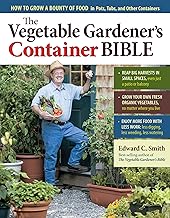
Overview
The Vegetable Gardener's Container Bible is a focused guide to growing edible plants in pots, tubs, and other confined spaces. It is designed to walk readers through planning, plant selection, and everyday care so small-space growers can make the most of patios, balconies, and other container-friendly spots.
Key Benefits
– Practical guidance on selecting containers, potting mixes, and plant varieties suitable for container cultivation that may help simplify setup and care.
– Tips and techniques designed for space optimization—useful for maximizing yields from limited square footage without relying on in-ground beds.
– Troubleshooting and maintenance advice that may help address common container issues such as watering, nutrient management, and pest pressures.
– Helps readers develop seasonal and planting strategies suitable for staggered harvests and continuous production in pots.
Use Cases
– An apartment dweller who wants to grow salad greens and herbs on a sunny balcony using window boxes and small pots.
– A homeowner with limited yard space aiming to produce tomatoes, peppers, and beans in tubs on a patio or deck.
– A novice gardener seeking step-by-step container plans to start edible gardening without committing to a full garden plot.
Pros
– Focused, container-specific information that keeps advice relevant to small-space growing situations.
– Practical, user-oriented approach designed to be accessible for beginners while still useful for experienced gardeners adapting crops to containers.
– Emphasizes edible production and season planning so readers can prioritize what to grow for food.
Considerations
– Content centers on container methods and may not address in-ground or ornamental gardening in depth.
– Local climate, microclimates, and individual conditions can affect outcomes, so some adaptation and trial may be required.
Who It's For
This book is suitable for city dwellers, balcony gardeners, and anyone wanting to grow vegetables in pots or tubs rather than a traditional garden. It’s aimed at people who want actionable container-specific guidance without needing a large yard.
Final Thoughts
A practical, hands-on resource for cultivating food in confined spaces, this title may help readers plan, plant, and maintain productive container gardens with confidence and flexibility.
6. Lettuce Grow Kit, Indoor Salad Greens Gardening Kit with Planter, DIY Vegetable Garden Kit,Easy Home Gardening Kit for Kitchen, Fresh Salad Greens Gift for Adults

Overview
A compact indoor gardening kit designed for growing salad greens at home. This DIY kit features a planter and a simple, kitchen-friendly approach that may help you keep fresh lettuce and other salad greens close at hand.
Key Benefits
– Small-space gardening made simple: designed for countertops, windowsills, and kitchens where outdoor space is limited.
– Beginner-friendly DIY design: suitable for people new to gardening who want a hands-on project without complex equipment.
– Keeps greens within reach: may help you access fresh salad leaves for quick meals and snacking.
– Gift-ready concept: presented as an easy, thoughtful option for adults who enjoy cooking or home projects.
Use Cases
– A busy cook who wants fresh salad greens nearby for last-minute salads and garnishes.
– An apartment dweller with limited outdoor space seeking a simple way to grow produce indoors.
– A casual gardener or gift recipient looking for a low-commitment, hands-on gardening experience.
Pros
– Compact footprint that fits in small kitchens and limited spaces.
– Designed with ease of use in mind, making it approachable for first-time growers.
– Attractive enough to sit on a counter as both a functional and decorative item.
Considerations
– Indoor growing requires appropriate light and routine care; results may vary depending on light, temperature, and attention.
– Quantity from a small home kit will be limited compared with larger outdoor gardens, so it’s best suited for supplementing meals rather than full supply.
Who It's For
Ideal for adults who enjoy fresh ingredients, hands-on projects, or small-space gardening—especially those new to growing salad greens indoors. Suitable as a starter kit or a practical kitchen gift.
Final Thoughts
This indoor salad greens kit is a convenient, beginner-friendly way to experiment with home gardening in compact spaces. It’s designed to make it easier to keep fresh greens at hand while offering a simple, rewarding DIY experience.
7. 5-Tier Vertical Garden Bed Planter Boxes with Drainage System & Storage Space, Freestanding Vertical Garden Planter with 5 S-Hooks for Plants Vegetables Flowers Herbs in Garden Patio Yard

Overview
A freestanding 5-tier vertical garden bed designed for small-space growing, featuring a multi-level arrangement of planter boxes, an integrated drainage system, and built-in storage space. The unit includes five S-hooks to expand hanging options and is suitable for cultivating herbs, flowers, and compact vegetables on patios, balconies, or yards.
Key Benefits
– Space-saving vertical layout: stacks multiple planting boxes to maximize growing area when floor space is limited and may help increase planting density in tight outdoor or indoor settings.
– Integrated drainage system: designed for water runoff management to help reduce standing water in each tier and make routine watering easier.
– Versatile organization: storage area and five included S-hooks provide convenient spots for tools, accessories, hanging planters, or trailing plants, keeping supplies close at hand.
– Freestanding portability: can be placed where needed without wall mounting and may be moved seasonally or to capture better light.
Use Cases
– Balcony herb garden: grow a selection of culinary herbs in individual tiers for easy access while cooking, with hooks for small tools or hanging planters.
– Patio flower display: arrange annuals and trailing blooms across the tiers to create layered color and texture without taking up the patio floor.
– Starter vegetable station: use the raised tiers for seedling trays and small vegetable varieties, while the storage area holds seed packets and hand tools.
Pros
– Efficient vertical footprint ideal for compact outdoor living spaces.
– Drainage-focused design intended to simplify watering and reduce excess moisture in planter boxes.
– Additional storage and hooks increase organizational flexibility and planting options.
Considerations
– Assembly is typically required and may involve multiple steps; allow time for setup and consult the included instructions for details.
– Stability and longevity may depend on placement and local weather conditions; the unit may need securing or sheltering in very windy or severe conditions.
Who It’s For
Suitable for city gardeners, apartment dwellers, or anyone looking to expand planting capacity without a large garden plot. A practical choice for people who want a multi-level growing solution with extra organization features.
Final Thoughts
This 5-tier vertical planter is designed for flexible small-space gardening and offers helpful features like drainage, storage, and S-hooks to support a variety of planting projects. It may help make container gardening more organized and space-efficient.
8. Balcony Gardening: Growing Herbs and Vegetables in a Small Urban Space

Overview
Balcony Gardening: Growing Herbs and Vegetables in a Small Urban Space is a practical guide aimed at helping city dwellers turn limited outdoor areas into productive edible gardens. It focuses on space-saving techniques, plant selection, and seasonal care to help readers plan and maintain herbs and vegetables on balconies, patios, or small terraces.
Key Benefits
– Practical strategies for maximizing yield in compact spaces, including container placement, vertical options, and efficient use of sunlight.
– Guidance on selecting herbs and vegetables that are well-suited to balcony conditions and varying light levels.
– Simple care routines for watering, feeding, and basic pest management that may help reduce common beginner mistakes.
– Troubleshooting tips and seasonal adjustments to help keep plants productive across changing weather.
Use Cases
– A renter with a small city balcony who wants fresh basil, chives, and salad greens for everyday cooking.
– An apartment dweller looking to convert a sunny ledge into a mix of potted vegetables and hanging herb containers for weekend harvests.
– A beginner gardener seeking step-by-step guidance to start planting, manage limited space, and learn basic maintenance routines.
Pros
– Focuses on realistic, space-conscious methods rather than large-scale techniques.
– Offers stepwise approaches suitable for first-time balcony gardeners and those upgrading from container basics.
– Emphasizes adaptable solutions that may be applied to a variety of balcony sizes and light conditions.
Considerations
– Recommendations may require adaptation to local climate, microclimates, and building restrictions; results can vary by location and experience.
– Some trial-and-error is likely as each balcony presents unique challenges (wind exposure, light patterns, water access), so patience and adjustment are part of the process.
Who It's For
This book is designed for urban residents, apartment renters, and hobby gardeners who want to grow herbs and vegetables in confined outdoor spaces. It may help beginners and intermediate growers develop confident, space-efficient gardening habits.
Final Thoughts
A concise, practical resource focused on making balcony gardening approachable and manageable, offering hands-on tips and adaptable ideas to help you make the most of small urban outdoor spaces.
9. Year-Round Indoor Salad Gardening: How to Grow Nutrient-Dense, Soil-Sprouted Greens in Less Than 10 days

Overview
Year-Round Indoor Salad Gardening is a practical guide that presents soil-sprouting techniques and indoor-growing strategies for fresh greens throughout the year. The book is designed for home growers and urban gardeners seeking step-by-step instruction on seed selection, container options, light and water management, and harvest timing.
Key Benefits
– Clear, actionable guidance on soil-sprouting methods that may help you establish a reliable indoor salad-greens workflow.
– Advice on choosing seeds, containers, and lighting setups suitable for small spaces and variable seasons.
– Troubleshooting tips and schedules to help manage common challenges like moisture control and seedling vigor.
– Techniques intended to shorten time-to-harvest so you can experiment with faster turnarounds indoors.
Use Cases
– Apartment kitchens where outdoor gardening isn’t possible: set up compact trays or containers on a windowsill or under a grow light to keep a steady supply of greens.
– Winter or off-season gardening for backyard growers who want to supplement outdoor crops with indoor-grown salads.
– Educational settings or hobbyist workshops that need a straightforward, soil-based approach to teach seed-to-harvest concepts.
Pros
– Written with practical, step-by-step instructions suitable for beginners and intermediate growers.
– Focuses on indoor-adapted methods that accommodate limited space and seasonal constraints.
– Includes troubleshooting and planning guidance to support repeatable cycles of salad greens.
Considerations
– Indoor gardening often involves some trial-and-error; results may vary based on local light, temperature, and seed quality.
– Setting up consistently productive indoor systems may require basic supplies (containers, drainage, and possibly supplemental lighting) that are not detailed in this brief overview.
Who It's For
This book is suitable for urban gardeners, home cooks, and anyone curious about growing fresh salad greens indoors without complex hydroponic systems. It’s especially useful for people who want practical, soil-based techniques to try in small spaces.
Final Thoughts
Year-Round Indoor Salad Gardening offers a focused, usable approach to soil-sprouted greens and is designed to help readers develop dependable indoor-growing routines. It’s a helpful resource for those looking to experiment with faster harvest cycles and year-round salad production.
10. Indoor Garden Hydroponics Growing System: 10 Pods Kit with LED

Overview
This indoor hydroponics growing system is a countertop garden designed for growing multiple small plants without soil. The 10-pod kit includes an integrated LED light and a water reservoir intended to support continuous indoor cultivation of herbs, salad greens, and small ornamental plants.
Key Benefits
– Simplifies indoor gardening: the pod-based layout and centralized reservoir are designed for an organized, low-mess setup that may help beginners get started more easily.
– All-in-one lighting: built-in LED illumination provides consistent light for plants kept away from natural sunlight and may help support steady growth in indoor environments.
– Space-efficient: the compact footprint is suitable for kitchens, balconies, or tabletop spots where traditional gardening isn’t practical.
– Multipurpose planting: the 10 pods allow mixing herbs, microgreens, and other small varieties to create a varied indoor garden.
Use Cases
– Kitchen companion: keep fresh culinary herbs within reach for cooking, with a compact arrangement that fits on a counter or windowsill.
– Learning and hobby gardening: a practical option for trying hydroponics techniques or teaching plant care to kids and beginners.
– Apartment or small-space gardening: suitable for renters and apartment dwellers who want a small indoor green space without outdoor soil beds.
Pros
– Low soil mess compared to traditional potted plants, making maintenance tidier.
– Enables year-round planting indoors where outdoor conditions are limited.
– Modular pod design allows experimenting with different plant varieties in one unit.
Considerations
– Regular maintenance is still required: water refilling, occasional cleaning, and nutrient management may be necessary to keep plants healthy.
– Best suited for small plants and herbs; larger or vining crops may outgrow the pod size and require a different setup.
Who It's For
This kit is suitable for beginners, hobbyists, and anyone looking to add fresh herbs or small greens to their indoor space with a compact, soil-free approach. It may appeal to busy people seeking a lower-maintenance alternative to traditional gardening.
Final Thoughts
As an accessible introduction to hydroponic growing, this 10-pod system is designed to make indoor gardening more convenient and space-conscious. With routine care and experimentation, it can be a practical way to cultivate small plants year-round.
Final Thoughts
Use this guide as a starting point, then compare the latest product details, availability, and customer feedback directly on Amazon before making your final choice.